

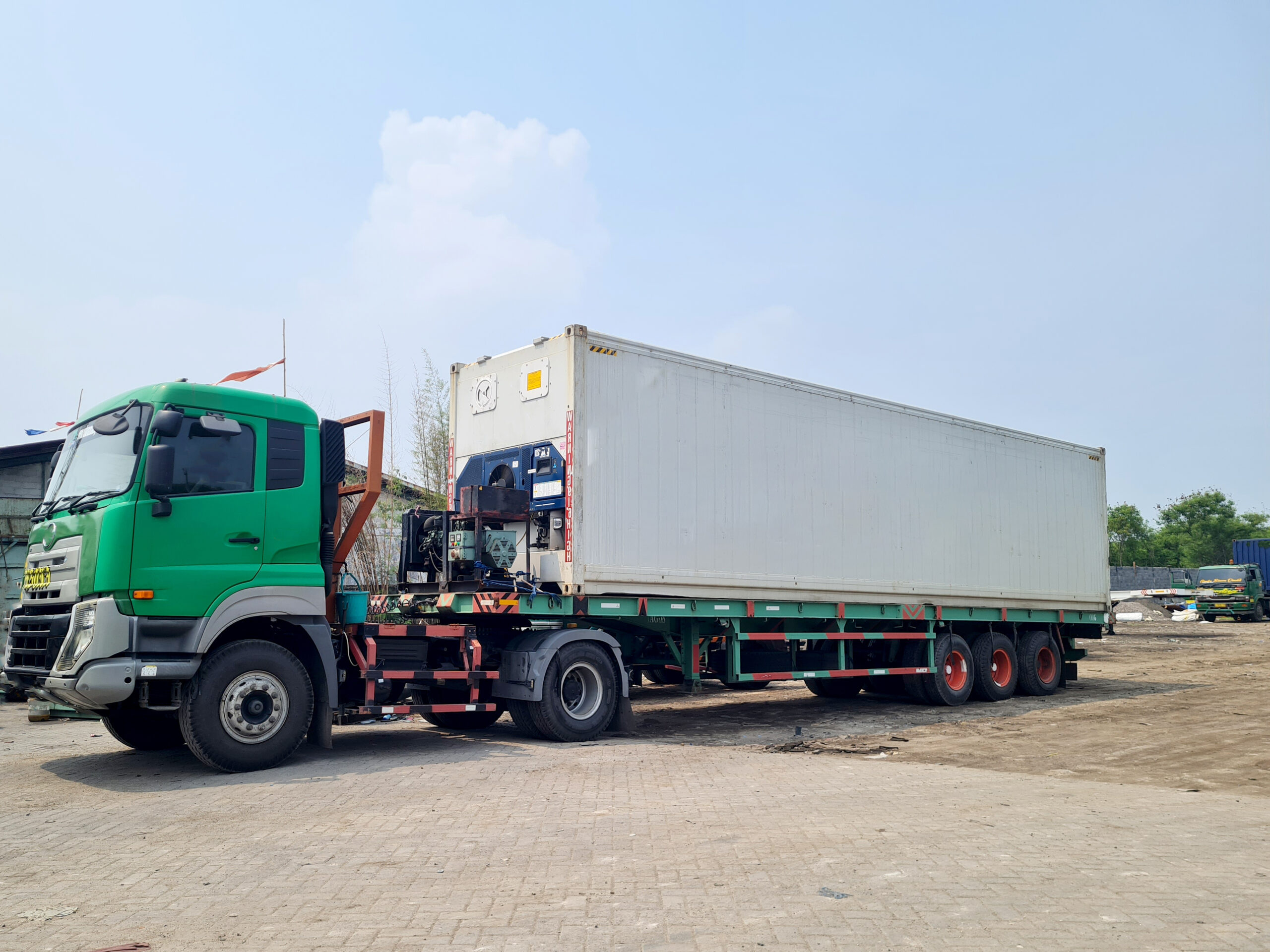
When exporting meat internationally, one of the most important decisions exporters and buyers must make is whether to ship meat in a chilled or frozen state. Both options play a vital role in global meat trade, but each serves different markets, logistics strategies, and customer expectations. Understanding the differences between chilled and frozen meat helps importers select the right product for their supply chain while minimizing risk and maximizing quality.
Chilled meat is typically stored and transported at temperatures between zero and four degrees Celsius. This method preserves the meat in a fresh, unfrozen state, maintaining its natural texture, appearance, and eating quality. Because the meat is never frozen, chilled products are often preferred by premium markets, high-end retailers, and food service buyers who prioritize freshness. Chilled meat is especially popular in regions where delivery times are short and cold-chain infrastructure is well established.
One of the key advantages of chilled meat is consumer perception. Many buyers associate chilled meat with superior quality, better taste, and improved tenderness. This perception allows chilled meat to command higher prices in certain markets. However, these benefits come with limitations. Chilled meat has a shorter shelf life and requires precise temperature control throughout transport, storage, and distribution. Any break in the cold chain can compromise safety and quality, making logistics management critical.
Frozen meat, by contrast, is stored at minus eighteen degrees Celsius or lower. Freezing significantly extends shelf life, making frozen meat ideal for long-distance export and bulk shipments. For markets that are geographically distant or have less predictable logistics, frozen meat offers reliability and flexibility. It allows exporters to ship larger volumes with reduced spoilage risk and gives importers more time to manage inventory and distribution.
While freezing can slightly alter texture after thawing, modern freezing techniques have greatly minimized quality loss. When handled correctly, frozen meat retains its nutritional value, safety, and overall eating quality. For many buyers, especially wholesalers and processors, frozen meat represents a practical and cost-effective solution. It also supports consistent supply, even when production cycles fluctuate.
Market preference often determines which option is best. Some regions favor chilled meat for its freshness and immediate usability, while others rely heavily on frozen meat due to infrastructure, distance, or pricing considerations. Exporters who understand these preferences are better positioned to serve multiple markets effectively. This flexibility is particularly important when working with high-demand livestock such as Somali breed sheep, which are widely exported in both chilled and frozen forms due to their consistent meat quality and strong market acceptance. As discussed in our previous article on Somali breed sheep, the breed’s characteristics make it well suited for various export formats.
Regulatory requirements also influence the choice between chilled and frozen meat. Importing countries often have specific rules regarding shelf life, temperature control, inspection timelines, and documentation. Frozen meat typically allows more time for customs clearance and distribution, while chilled meat requires faster processing upon arrival. Exporters must align their shipping method with the destination country’s regulations to avoid delays or losses.
Cost is another important factor. Chilled meat generally involves higher logistical costs due to shorter timelines, frequent shipments, and stricter cold-chain monitoring. Frozen meat, while requiring energy-intensive freezing and storage, often benefits from economies of scale and lower spoilage risk. Buyers must weigh these costs against market demand and pricing potential.
Some exporters choose to offer both chilled and frozen options to meet diverse customer needs. This approach allows them to adapt to seasonal demand, market fluctuations, and buyer preferences. It also strengthens long-term relationships by giving importers flexibility in how they source and sell meat products.
Ultimately, there is no universal answer to whether chilled or frozen meat is better for export. The right choice depends on destination markets, logistics capabilities, regulatory frameworks, and customer expectations. By understanding these factors, exporters and buyers can make informed decisions that protect product quality and profitability.
In future articles, we will explore how farming practices influence meat quality and shelf life, and how export preparation from farm to port ensures consistency across both chilled and frozen supply chains.