
As global buyers become more selective about where their meat comes from, organic and controlled livestock farming practices are gaining increasing attention. Beyond marketing appeal, these methods play a measurable role in improving meat quality, safety, and shelf life—three factors that are critical in international meat export. For exporters and importers alike, understanding how farming practices affect the final product helps explain why organically managed livestock often performs better across the supply chain.
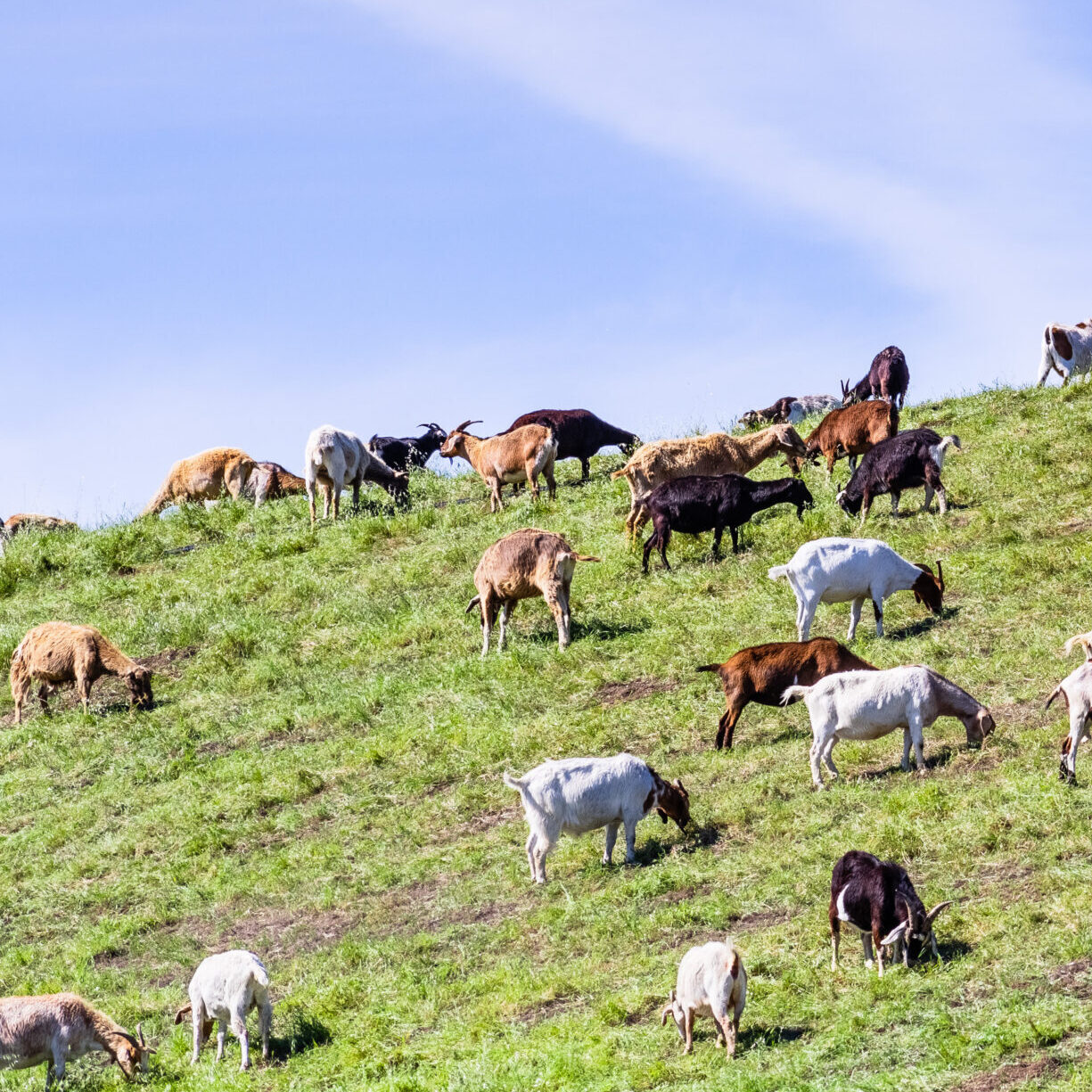
Organic livestock farming focuses on natural rearing methods, balanced nutrition, humane treatment, and strict control over what animals consume. Animals raised under organic or structured regimens are typically fed natural diets, free from unnecessary additives, growth promoters, or excessive antibiotics. This approach supports healthier animals, which directly influences the quality of the meat they produce. Healthier livestock experience lower stress levels, stronger immune systems, and more consistent growth, all of which contribute to superior carcass quality.
One of the most noticeable benefits of organic farming is improved meat texture and flavor. Animals raised on natural diets tend to develop muscle more evenly and accumulate fat in a balanced way. This results in meat that is firm, tender, and rich in flavor without excessive fat deposits. For breeds such as Somali sheep—already valued for their natural meat characteristics—organic or semi-organic regimens further enhance these desirable traits. As discussed in our article on why Somali breed sheep are highly sought after for export, genetics combined with proper rearing practices create a strong foundation for premium meat production.
Shelf life is another critical advantage of organic livestock farming. Meat from healthy animals with minimal chemical exposure often has better structural integrity at the cellular level. This can slow down spoilage and reduce the rate at which quality degrades during storage and transport. While temperature control remains essential, organically raised meat tends to respond better to both chilled and frozen preservation methods. This is particularly important for exporters choosing between chilled and frozen meat, a topic explored in our comparison of chilled versus frozen meat for international export.
Reduced reliance on antibiotics and synthetic inputs also plays a role in food safety and shelf stability. Overuse of antibiotics in livestock can contribute to residue concerns and regulatory complications in export markets. Organic systems emphasize prevention through proper nutrition, hygiene, and animal welfare rather than reactive treatment. This proactive approach lowers the risk of contamination, improves compliance with import regulations, and builds confidence among international buyers who demand transparency and traceability.
Animal welfare is closely linked to meat quality, especially during the final stages before slaughter. Livestock raised in low-stress environments tend to produce meat with better pH balance, color, and water retention. Stress can negatively affect muscle chemistry, leading to tougher meat and shorter shelf life. Organic and controlled regimens prioritize humane handling, adequate space, and calm transport procedures, which helps preserve meat quality from farm to processing facility.
From a sustainability perspective, organic livestock farming supports long-term production stability. Healthy soil, natural grazing systems, and responsible herd management reduce environmental strain while maintaining consistent output. For exporters, this sustainability translates into dependable supply over time. Buyers benefit from knowing that their source can meet ongoing demand without sacrificing quality. This reliability is especially valuable in markets that prioritize ethical sourcing alongside product performance.
Organic practices also enhance traceability, which is increasingly important in global meat trade. Structured regimens often include detailed records of feeding, health monitoring, and handling procedures. These records support certification processes and make it easier to meet the documentation requirements of importing countries. In future articles, we will explore how export preparation and documentation from farm to port further protect product quality and ensure smooth international shipments.
It is important to note that organic farming does not eliminate the need for proper processing and logistics. Cold-chain management, hygiene standards, and regulatory compliance remain essential. However, starting with healthier animals raised under controlled conditions significantly reduces downstream risks. Meat that begins its journey in optimal condition is more likely to arrive at its destination meeting buyer expectations.
In an increasingly competitive export market, organic livestock farming offers a clear advantage. It improves meat quality, extends shelf life, enhances safety, and supports ethical and sustainable production. When combined with resilient breeds, appropriate preservation methods, and professional export handling, organic practices help deliver a product that stands out in both performance and perception. As buyer awareness continues to grow, these benefits are becoming not just desirable, but essential.