

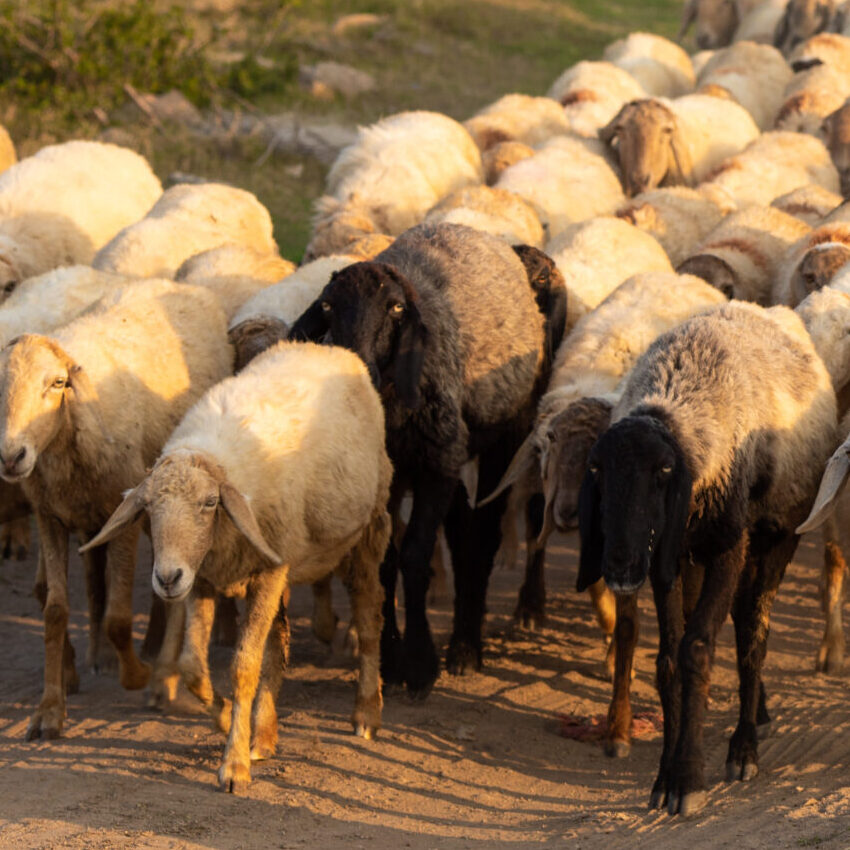
Somali breed sheep have earned a strong reputation in regional and international markets, particularly within the Middle East, North Africa, and parts of Asia. Their growing demand is not accidental. It is the result of a unique combination of genetics, adaptability, meat quality, and suitability for export-oriented supply chains. For buyers seeking reliable, high-quality livestock for meat production, Somali breed sheep continue to stand out as a preferred choice.
One of the most defining characteristics of Somali breed sheep is their exceptional adaptability. Originating from arid and semi-arid regions of the Horn of Africa, these sheep have evolved to thrive in harsh environments with limited resources. This resilience translates directly into export value. Animals that are naturally hardy experience lower stress, better weight retention, and reduced mortality during handling, transport, and export logistics. For exporters and importers alike, this reliability reduces risk across the supply chain.
From a production standpoint, Somali breed sheep are known for efficient feed conversion. They are able to gain and maintain healthy body weight on natural grazing and modest supplementation. This efficiency supports sustainable farming practices and allows producers to scale operations without excessive input costs. For farms that combine traditional rearing methods with structured feeding programs, the result is consistent, export-grade livestock that meets international buyer expectations.
Meat quality is another key reason Somali breed sheep are highly sought after. The meat is widely recognized for its balanced fat distribution, firm texture, and rich flavor profile. Unlike breeds that accumulate excessive internal fat, Somali sheep tend to produce leaner cuts with desirable marbling. This makes the meat suitable for a wide range of culinary applications, from fresh chilled cuts to frozen products intended for long-distance shipping. The consistent quality also simplifies processing and grading at slaughter facilities.
Cultural and religious suitability further enhances the appeal of Somali breed sheep in export markets. Many importing regions place high importance on halal-compliant meat and prefer animals that align with traditional slaughter practices. Somali sheep are well established within halal supply chains and are widely accepted by buyers who prioritize religious compliance, traceability, and humane handling. This acceptance creates smoother market access and fewer regulatory or cultural barriers.
Another advantage lies in the breed’s physical characteristics. Somali sheep are typically medium-sized, well-proportioned animals that are easy to handle and transport. Their size makes them ideal for both live animal export and processed meat production. Exporters can tailor shipments based on market demand, whether supplying live animals for local slaughter or delivering chilled and frozen meat to international buyers. This flexibility allows producers and exporters to respond quickly to changing market conditions.
Health management is also a strong point for Somali breed sheep when raised under controlled conditions. With proper veterinary oversight, biosecurity protocols, and export compliance measures, these animals meet the health and documentation standards required by importing countries. When combined with structured programs such as organic or semi-organic regimens, Somali sheep can command premium positioning in the market. Buyers increasingly value transparency around animal welfare, feeding practices, and farm-to-market traceability.
Ethiopia has emerged as a strategic hub for Somali breed sheep production and export, supported by established livestock corridors, experienced pastoral communities, and improving export infrastructure. Farms operating in this environment benefit from access to large, genetically consistent herds and a workforce with generations of livestock expertise. This foundation supports scalability while maintaining quality standards demanded by international markets.
For importers, consistency is often more important than sheer volume. Somali breed sheep offer predictable outcomes in terms of weight, carcass yield, and meat quality. This predictability simplifies planning for wholesalers, processors, and distributors who rely on steady supply to meet contractual obligations. It also reduces waste and inefficiencies downstream.
In an increasingly competitive global meat market, buyers are looking beyond price alone. They are prioritizing reliability, quality, compliance, and sustainability. Somali breed sheep meet these criteria in a way few other breeds can. Their natural resilience, efficient production, high-quality meat, and cultural acceptance make them one of the most dependable livestock options for meat export today.
As demand for ethically raised, export-grade meat continues to grow, Somali breed sheep are well positioned to remain a cornerstone of international livestock trade. For producers and exporters committed to quality and long-term partnerships, this breed represents both a practical and strategic investment.